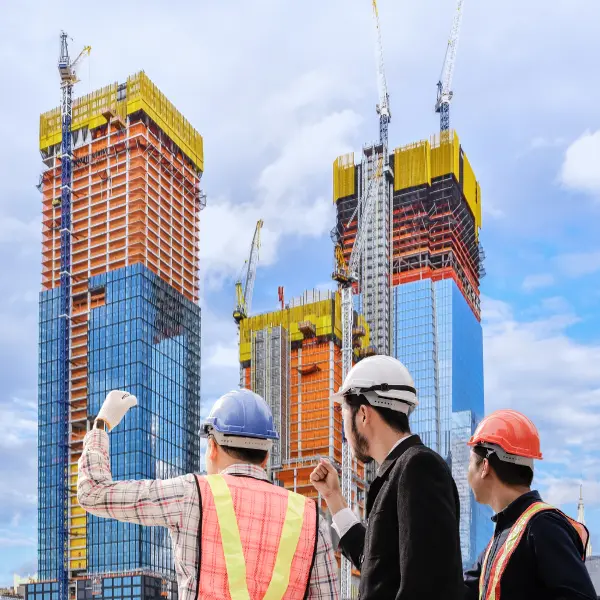
Did you suffer a fall while working on a construction site? If so, you may be facing significant medical bills, time off from work, and a lot of confusion surrounding your options for compensation. Labor Law 240 aims to hold property owners and certain contractors strictly liable when gravity-related injuries occur on their premises, making this a key provision for any NYC construction worker to understand.
Below, our experienced team from William Schwitzer & Associates, PC, discusses everything you need to know about what many people simply refer to as the “Scaffold Law,” discussing liability for elevation hazards. If you need representation for a recent accident, we recommend consulting a construction accident lawyer in New York.
Unfortunately, in recent times, Insurance Companies are filing frivolous lawsuits against high-profile personal injury law firms and doctors, in an effort to discourage lawyers and doctors from helping injured workers. Recent inter-office memos have been discovered where certain Insurance Companies communicated with their lawyers and members of certain agencies, discussing their intent to make false allegations in an overt attempt to prevent and/or discourage doctors, among others, from properly assisting injured workers and from handling such claims. It is unfortunate that these Insurance Companies are dis-honest and hire attorneys to represent them to do their dis-honest work, while the injured is caught in the middle and suffers, and the Court system is over burden as well from these dis-honest stall tactics.
Construction Contractors are obligated under the law to properly report how many workers are hired and how many workers work at the construction site. These Contractors are also obligated under New York State law to ensure that the jobsite is safe. Rather than filing frivolous lawsuits, Insurance Companies should ensure that the Construction Contractor they insure are offering proper safety-training and equipment to their workers, this would help diminish many accidents on these sites and possibly eliminate accidents from happening.
It has been discovered that many Construction Contractors “under-report” to their Insurance Company how many workers actually work for their company. Many Construction Contractors, who hire NON-UNION workers, frequently pay their workers in cash and do NOT report these workers to their workers’ compensation carrier. Construction Contractors who “under-report” is committing insurance fraud. They “under-report” so the Construction Contractor pays less in insurance premiums.
It is important that every worker in the State of New York, especially high-risk construction workers are educated about their rights, and that is why William Schwitzer & Associates continues to be by your side.
What Is New York’s Labor Law 240?
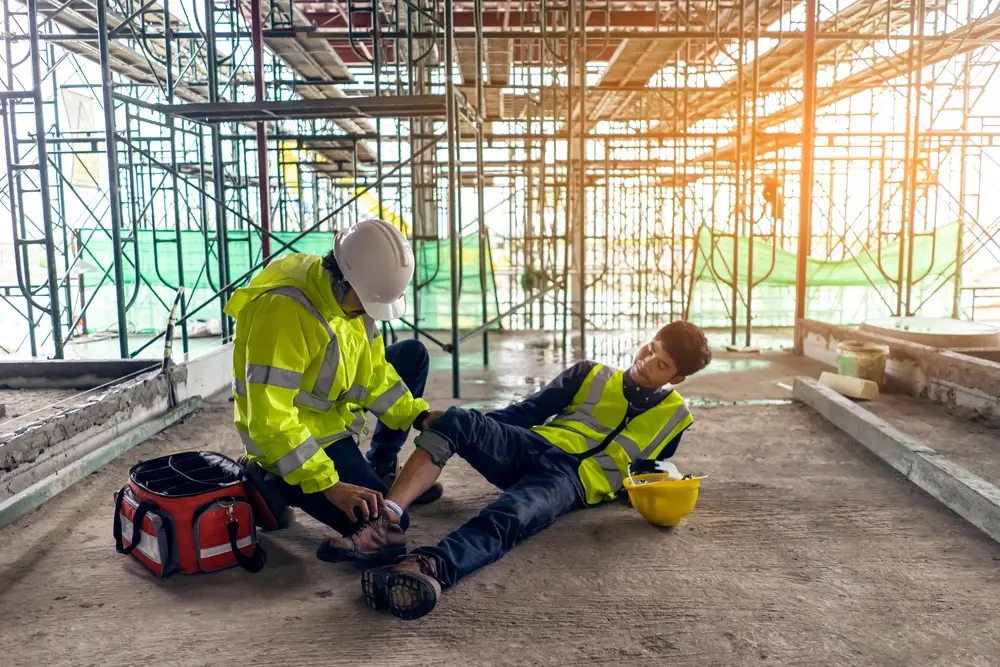
New York Labor Law 240, commonly known as the Scaffold Law, is designed to protect construction workers from the dangers of working at elevated heights. With falls ranking as the second-leading cause of death globally, this provision aims to bring more accountability to worker fall protection.
Essentially, the law assigns direct liability to owners and general contractors whenever a worker is harmed because fall protection equipment was missing or insufficient. This means that if a worker falls or is struck by a falling object because the proper safety equipment wasn’t provided or wasn’t secured correctly, the responsible parties can be held legally accountable.
The purpose of the law is simple: to ensure that anyone performing work involving ladders, scaffolds, hoists, or other elevation-related tools has the protection they need to perform their job safely. For injured construction workers, Labor Law 240 can offer a legal path to compensation for damages like medical care, lost income, and long-term recovery needs. Understanding these rights is essential for anyone working on New York construction sites.
Specific Safety Requirements Under the Law
The law obligates property owners and contractors to actively implement safety measures that reduce the risks associated with working at heights. These construction site safety rules exist to ensure that workers have adequate protection when working at heights. A few of the key safety obligations include:
- Providing properly constructed scaffolds
- Supplying secure ladders and stairways
- Using approved harnesses, lifelines, and anchor points
- Ensuring hoists, ropes, and pulleys are maintained and stable
- Training workers in the safe use of elevation equipment
By meeting these requirements, employers can ideally reduce risks of injury while maintaining compliance with New York’s strict safety standards.
Who Does the Scaffold Law Protect? A Construction Accident Lawyer in NYC Explains
With around 20% of workplace fatalities occurring in the construction industry, many people assume that the Scaffold Law is designed solely for construction workers. Labor Law 240 is intentionally broad, though, designed to safeguard any workers who are vulnerable to elevation-related injuries. The law protects a wide range of individuals involved in building, altering, or maintaining structures, with the purpose of ensuring that anyone exposed to height-related hazards has the safety equipment and legal protections they need, regardless of their job title or employment arrangement.
Generally, Labor Law 240 protects workers who are performing trade-oriented tasks like construction, demolition, repair, painting, or cleaning. It covers full-time employees and many subcontracted or temporary workers, as long as they’re engaged in qualifying activities at the time of the accident.
Here are a few examples of workers protected under Labor Law 240:
- Construction workers and laborers
- Carpenters, masons, and ironworkers
- Electricians and plumbers working at elevation
- Painters, window washers, and facade workers
- Demolition and maintenance crews
If your job involves working above ground level or beneath equipment that can fall, the Scaffold Law may apply to you. Given the fact that NYC experiences a higher fatality rate in the construction industry than the national average due to the rapidly expanding, dense, urban environment, a large number of workers here are covered by the Scaffold Law. If you’re unsure whether you’re covered, consider consulting an attorney to discuss your case.
Understanding the Absolute Liability Clause

A defining feature of Labor Law 240 is its absolute liability standard, which holds property owners and general contractors responsible for gravity-related injuries regardless of who caused the accident or why it happened. This structure is meant to push those in control of the worksite to prioritize safety, maintain oversight, and ensure that every worker, no matter their employer, has proper fall protection.
Here’s what the absolute liability clause means in practice:
- Greater responsibility for owners and contractors: They can be held liable even if the injured worker was hired by a subcontractor, placing accountability on those with authority over the site.
- Higher safety expectations: The law incentivizes strict monitoring and enforcement of safety protocols across all levels of the project to prevent accidents. This ideally means safer conditions for workers and fewer accidents.
- Expanded recovery options for workers: Injured workers may seek damages for pain and suffering, future lost earnings, and long-term disability. These options go beyond what workers’ comp typically provides. We’ll look more into this comparison below.
Evaluating Labor Law 240 vs. Workers’ Compensation
While Labor Law 240 and workers’ compensation each aim to protect injured workers, they operate differently. Understanding these differences can help you navigate your path to recovery.
Workers’ compensation is a no-fault system that provides medical coverage and partial wage replacement, but it does not allow you to pursue compensation for pain and suffering or quality-of-life impacts. In contrast, Labor Law 240 offers a path to file a third-party claim against property owners and/or certain contractors when an elevation-related hazard causes harm.
Labor Law 240 can potentially lead to higher compensation awards than workers’ comp alone, particularly in cases involving permanent disability, future lost earnings, or diminished quality of life. In qualifying cases, you may have the option to pursue both avenues simultaneously, collecting workers’ compensation benefits while also building a third-party action to cover the full extent of your losses. Understanding how these two systems interact is key to maximizing your financial recovery after a fall. When applying for workers’ compensation benefits in the State of New York, injured workers MUST report their work-related accident with their employer within 30 days of the accident. The injured worker must also file a C3 Claim form within 2 years. Know your rights and protect your-self. As note before Insurance Companies are going the extra mile to create frivolous lawsuits against Professionals (lawyers & doctors) from helping injured workers.
Were You Injured From a Fall at Work? Speak With a Construction Accident Attorney Today
Under Labor Law 240, workers have the right to a safe jobsite and proper fall protection equipment when performing elevated tasks. If those safeguards are missing or defective, injured workers can pursue damages beyond workers’ comp, including compensation for pain and suffering, lost earnings, and long-term disability.
If you need help filing a claim after a scaffolding accident, our construction accident attorneys at William Schwitzer & Associates, PC, are here to help. Call us at (212) 683-3800 to schedule a consultation so we can discuss your case.
FAQs Answered by a New York Construction Accident Lawyer
Do you still have questions about New York’s Labor Law 240? Find answers to commonly asked questions below.
What Is the Statute of Limitations on the New York Scaffold Law?
Injured workers typically have three years from the date of the accident to file a Labor Law 240 claim. Some exclusions may apply here, such as claims involving a government body or a minor.
Does Labor Law 240 Only Apply to Scaffolds?
No, Labor Law 240 applies to any elevation-related hazard, not just scaffolds. It covers accidents involving ladders, hoists, roofs, falling objects, and other situations where gravity poses a significant risk.
Who Can Be Held Liable Under Labor Law 240?
Liability under Labor Law 240 can extend to property owners, general contractors, and certain agents who control the worksite and safety conditions. Even if the injured worker was employed by a subcontractor, these upstream parties may still be held responsible for failing to provide adequate fall protection.